Studio Notes
The Art of a Quiet Palette
A thoughtful neutral scheme is never just beige. It is a conversation between light, texture, proportion and tone.
AQVERON Studio
5 min read

A quiet palette can bring a room together, but restraint does not have to mean a lack of character. The most successful neutral interiors rely on variation: a chalky wall beside tactile linen, warm wood against a cooler stone, or a soft textile that catches the changing light.
Start with the light
Start with the quality of light in the room. Observe how it changes through the day, then select finishes that respond well to those conditions. Samples should be viewed together and, whenever possible, in the actual space.
Build contrast through texture
Next, create contrast through texture and proportion rather than relying on many competing colours. A smooth surface can make a rougher material feel more expressive; a sculptural light can add focus to a simple room.
Leave room for the personal
Finally, leave room for personal objects. Books, artwork and meaningful pieces give a restrained interior its identity. The goal is not to remove everything, but to make each element feel intentional.
Keep Reading
02
Continue exploring
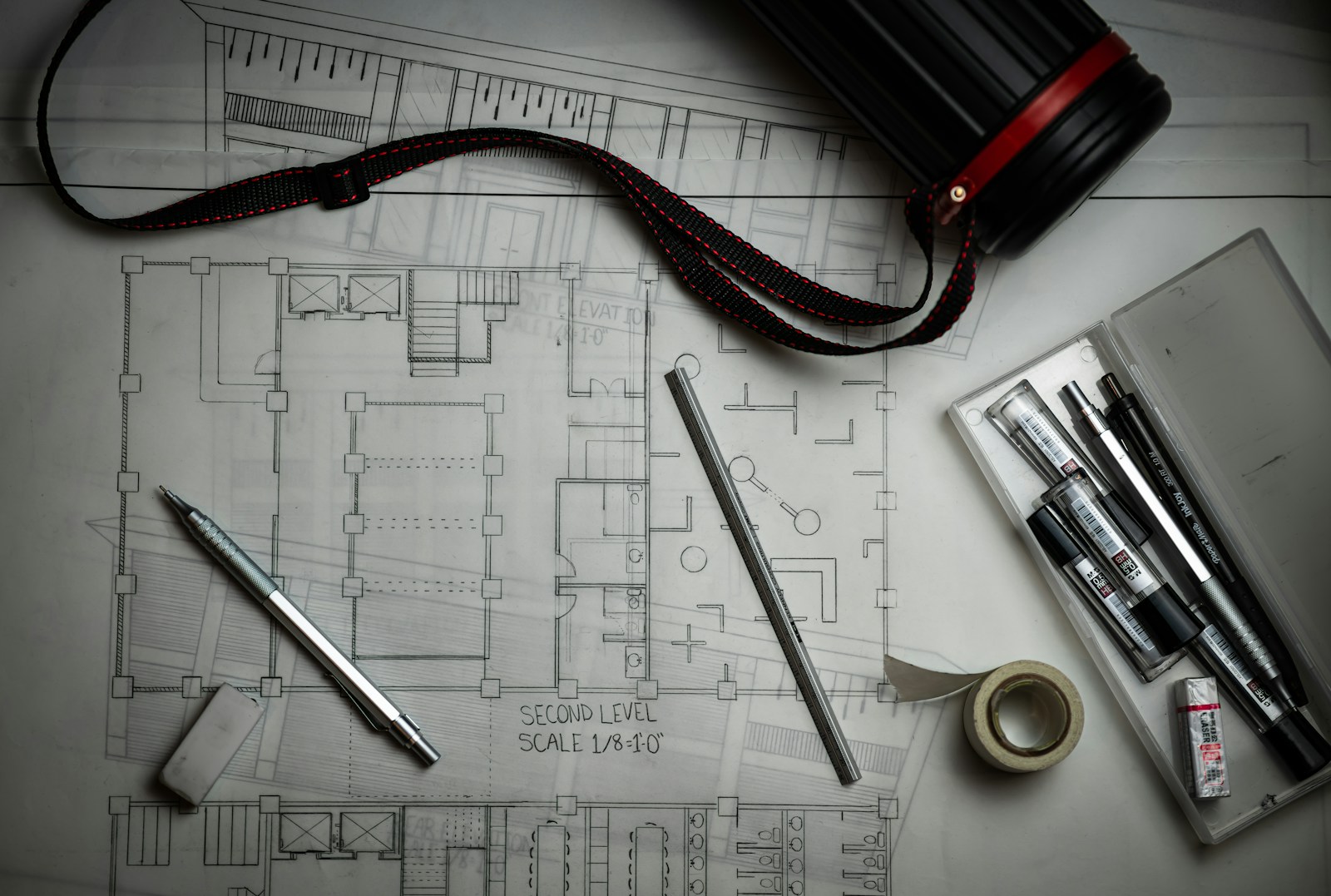
Space Planning
4 min read
A Better Layout Starts with Better Questions
Before choosing furniture, consider movement, daily routines and the way each room connects.

Materials & Finishes
6 min read
Choosing Materials That Age Well
A practical look at tactile finishes, honest materials and choices that become more beautiful with use.

Small Spaces
5 min read
Making a Small Room Feel More Open
Use light, proportion, storage and visual continuity to make compact spaces work harder.